The history of the woven Christmas heart
The woven Christmas heart is a Danish custom at least 150 years old. The oldest one known was woven by Hans Christian Andersen, and the first printed templates came in the 1910s and 1920s.
Woven Christmas hearts are far older than the templates here. In the early 1900s magazines and publishers printed hearts with patterns and templates, and some of the gallery's hearts are drawn after the old pages below. But first the oldest heart we know of.
Hans Christian Andersen's heart
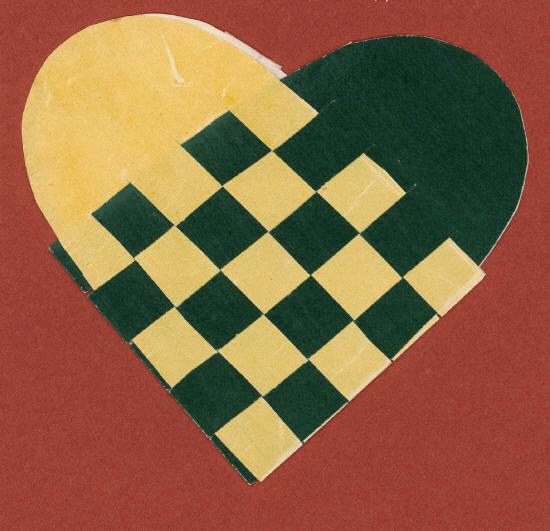
The oldest known woven Christmas heart was cut and woven by Hans Christian Andersen, from yellow and green paper, 10 × 10 cm. Museum Odense, which holds it, believes it was made for the Ørsted family's Christmas tree, probably before H.C. Ørsted died in 1851; other sources say the 1860s. It is checked, with five strips in each half, and has no handle, and it is not known whether Andersen himself came up with weaving hearts.
Børnenes Magasin, 1916
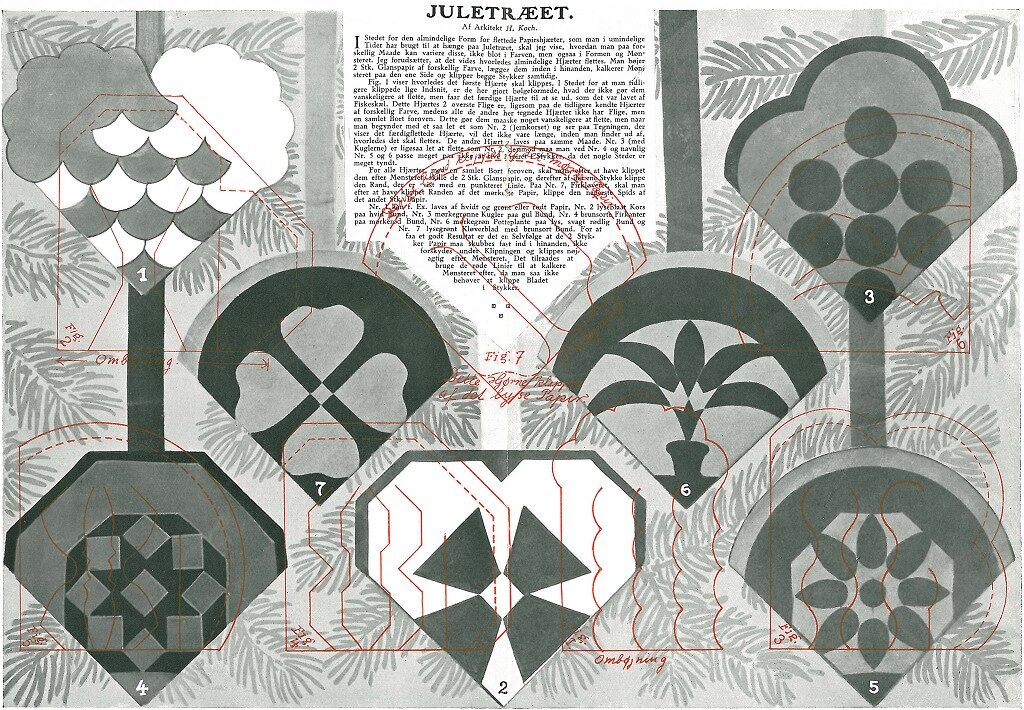
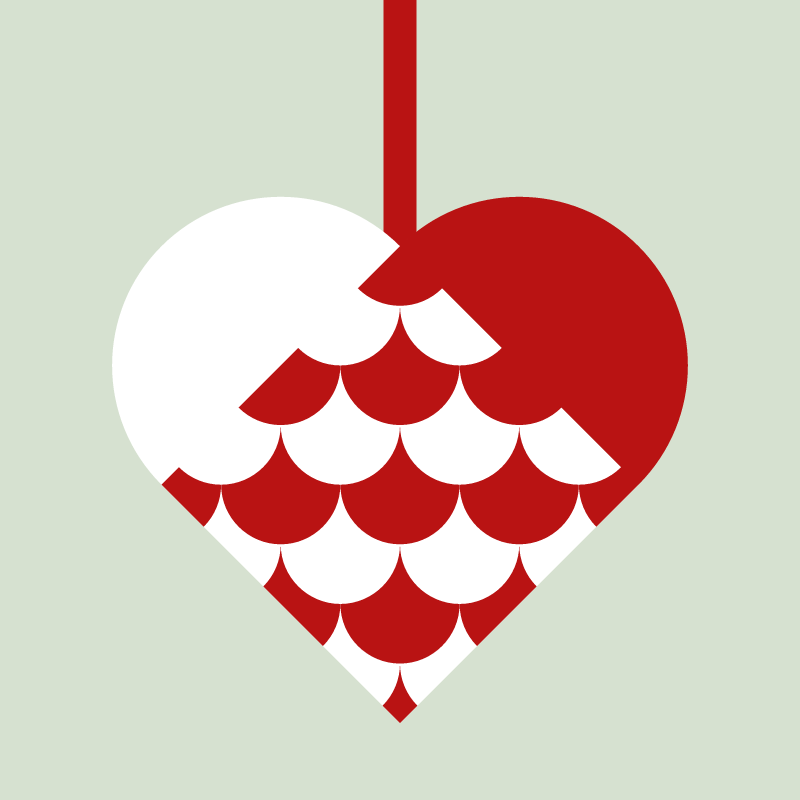
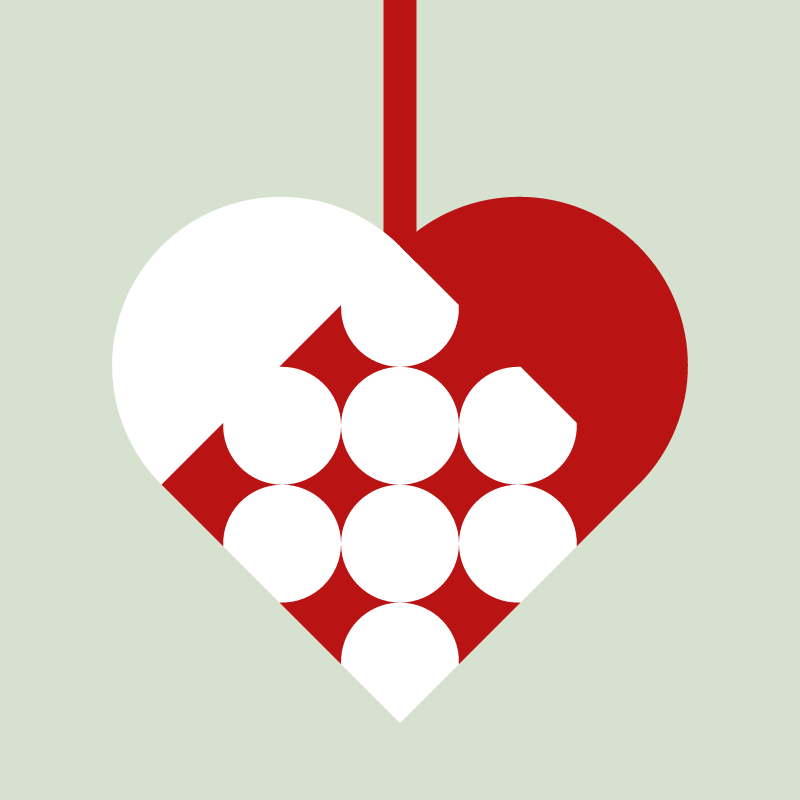
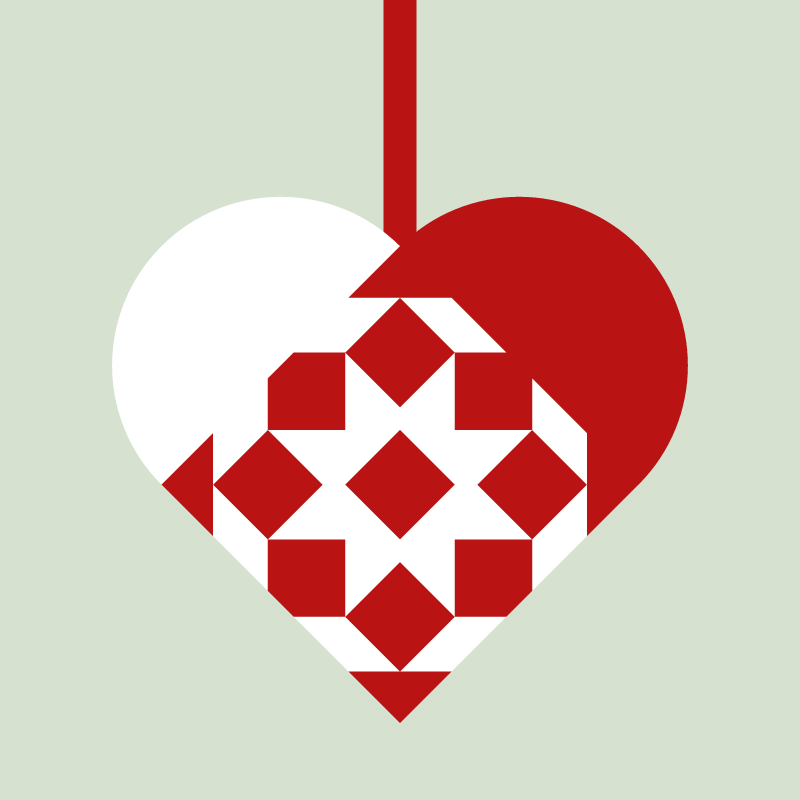
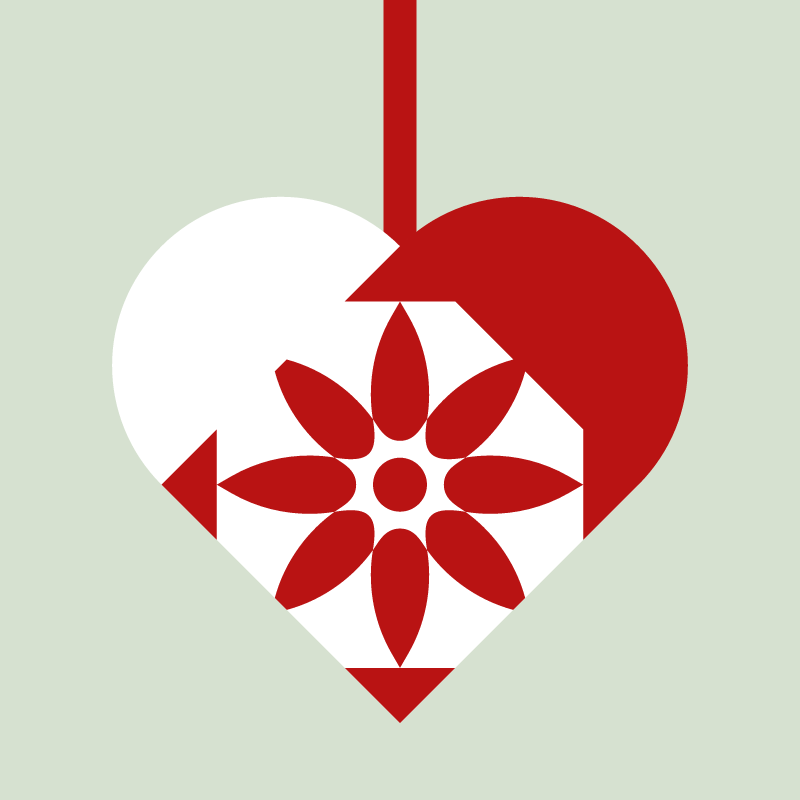
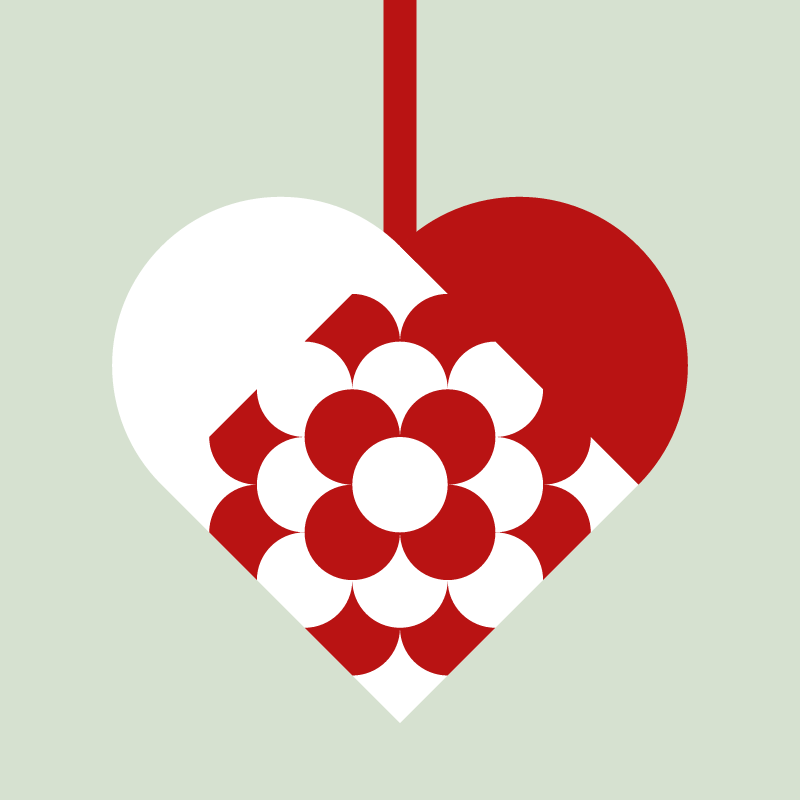
The architect Hans H. Koch drew seven hearts for Magasin du Nord's children's magazine on 1 December 1916. He wanted to show that the hearts could be varied not only in colour but also in shape and pattern, and the templates are printed in red over the finished hearts. Koch's hearts have tops shaped like fans, octagons and clouds. We kept the gallery's round heart shape and redrew his patterns so that the cuts end straight on the edge and the paper is never too thin. Fish scales has its scales turned the other way from Koch's, as they are in a craft book from the 1990s.
Our versions

Illustreret Familie-Journal, 1922
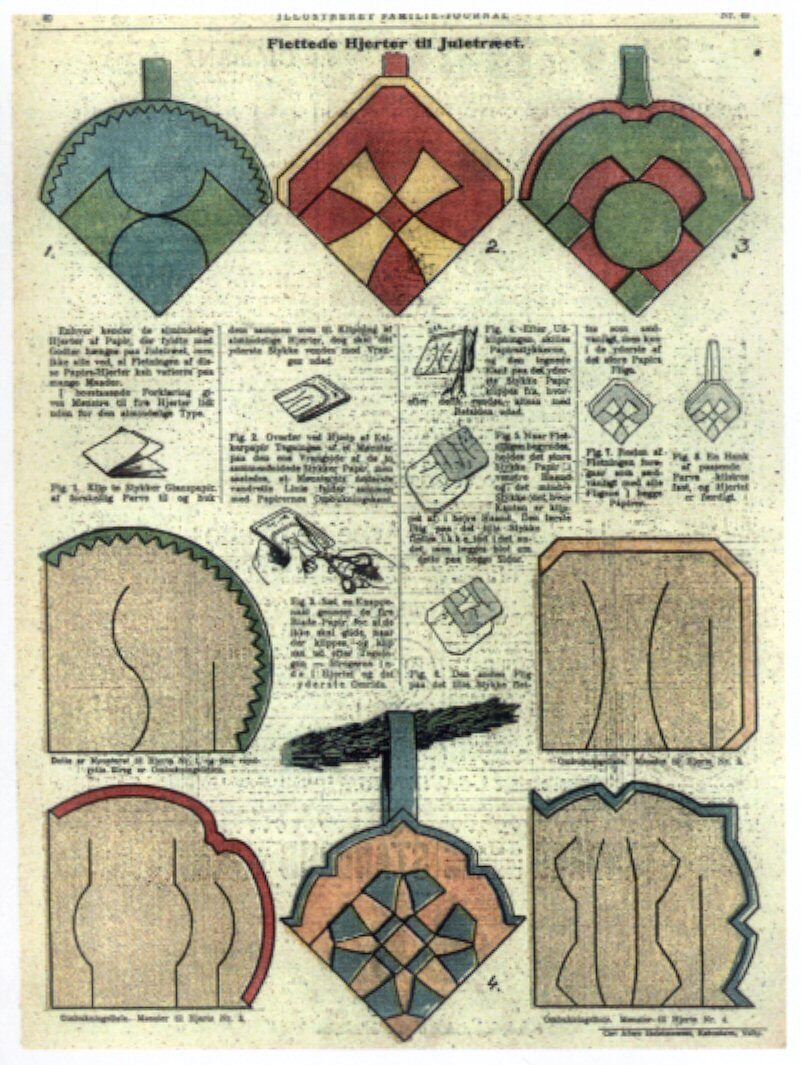
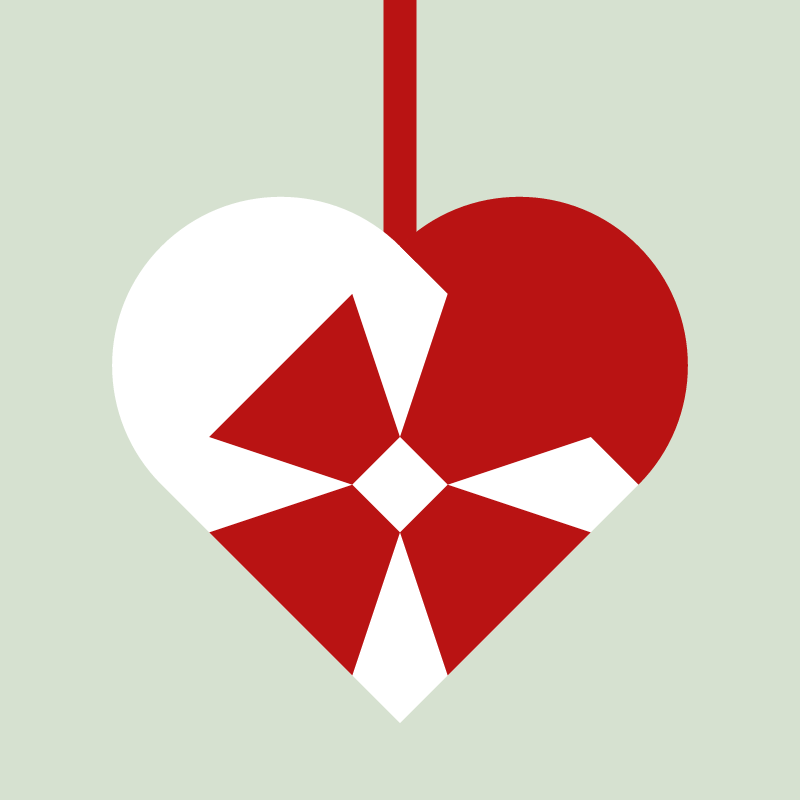
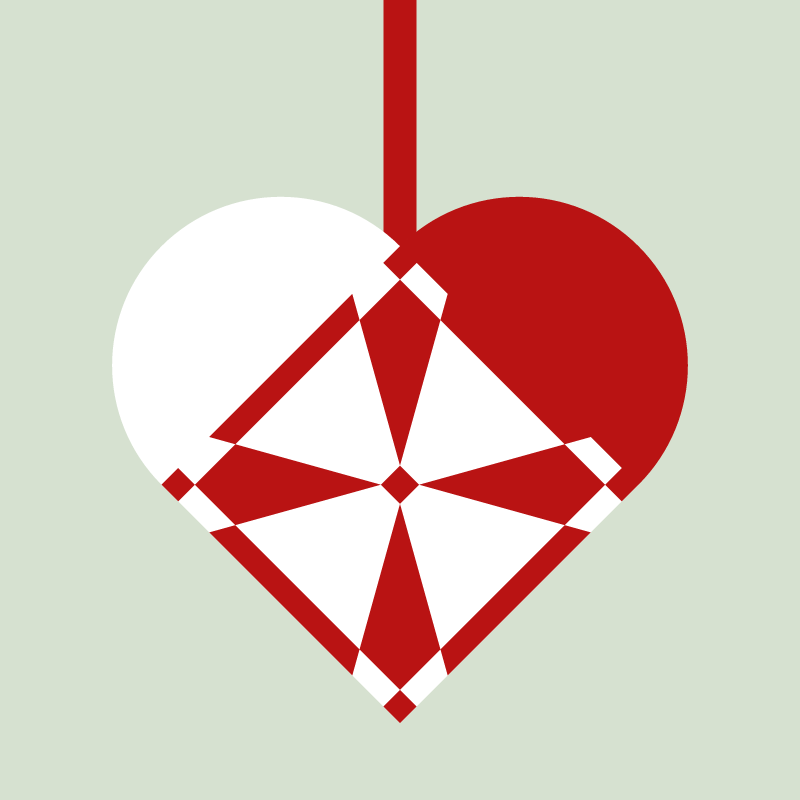
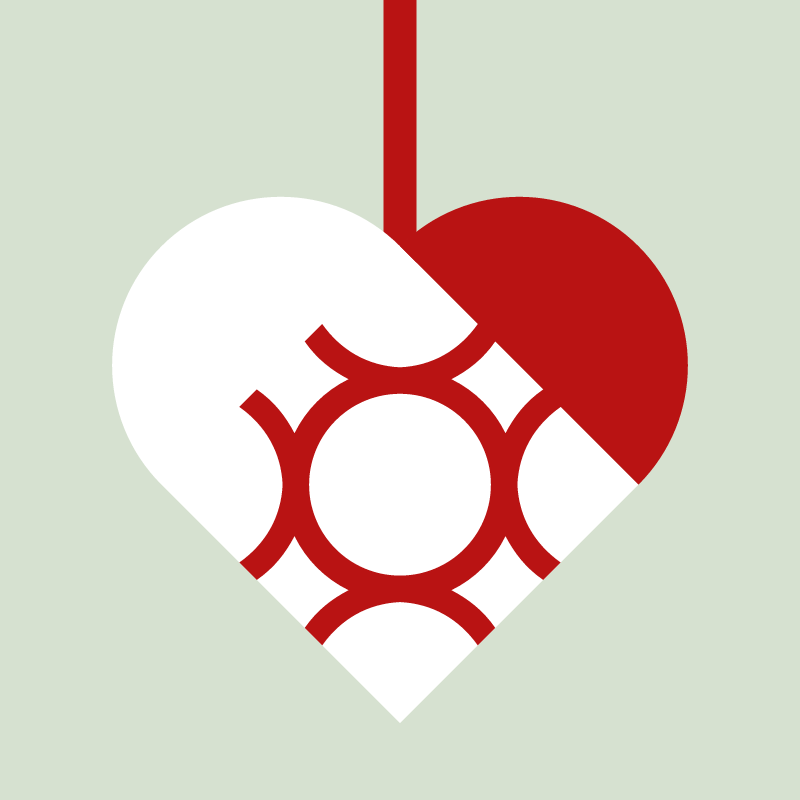
Four hearts with templates and instructions for weaving them. The page does not name the designer. The magazine's hearts have a one-colour border along the top that the gallery's templates cannot weave, so our Compass rose is heart no. 4 without the border.
Our versions
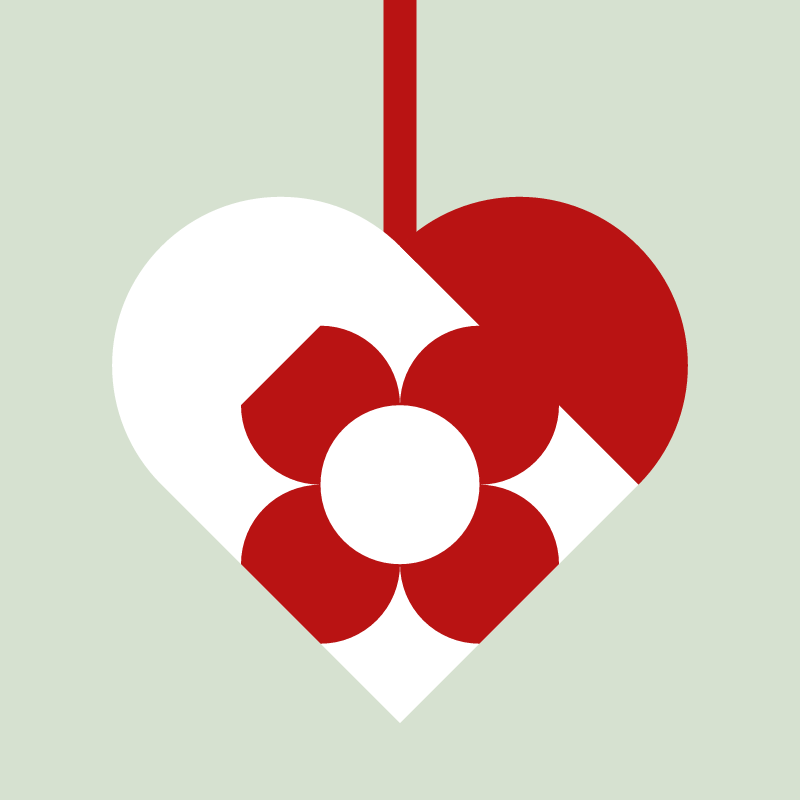
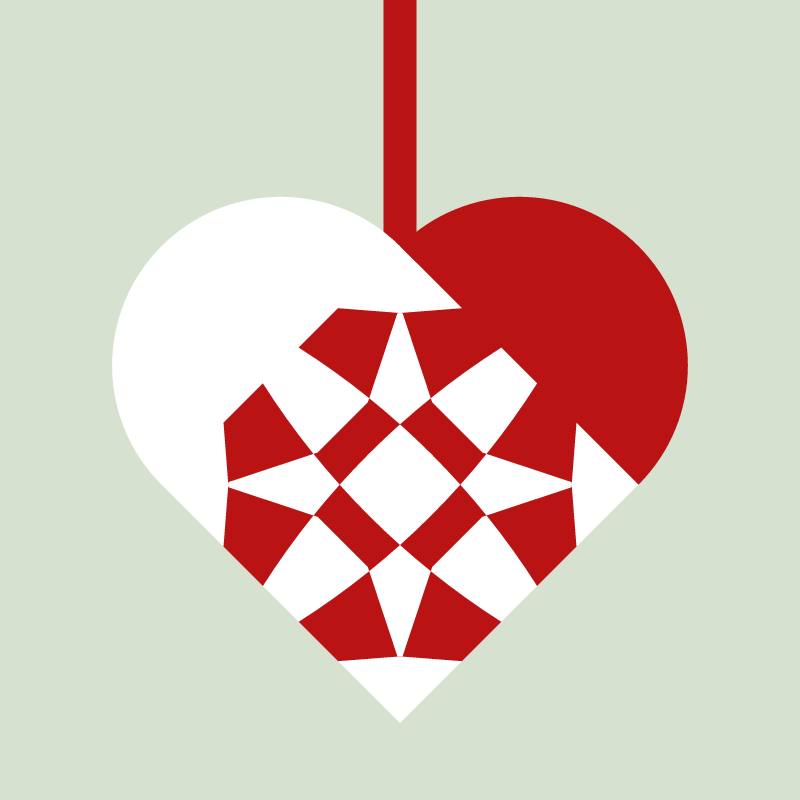
Hjerter til Juletræet, 1924
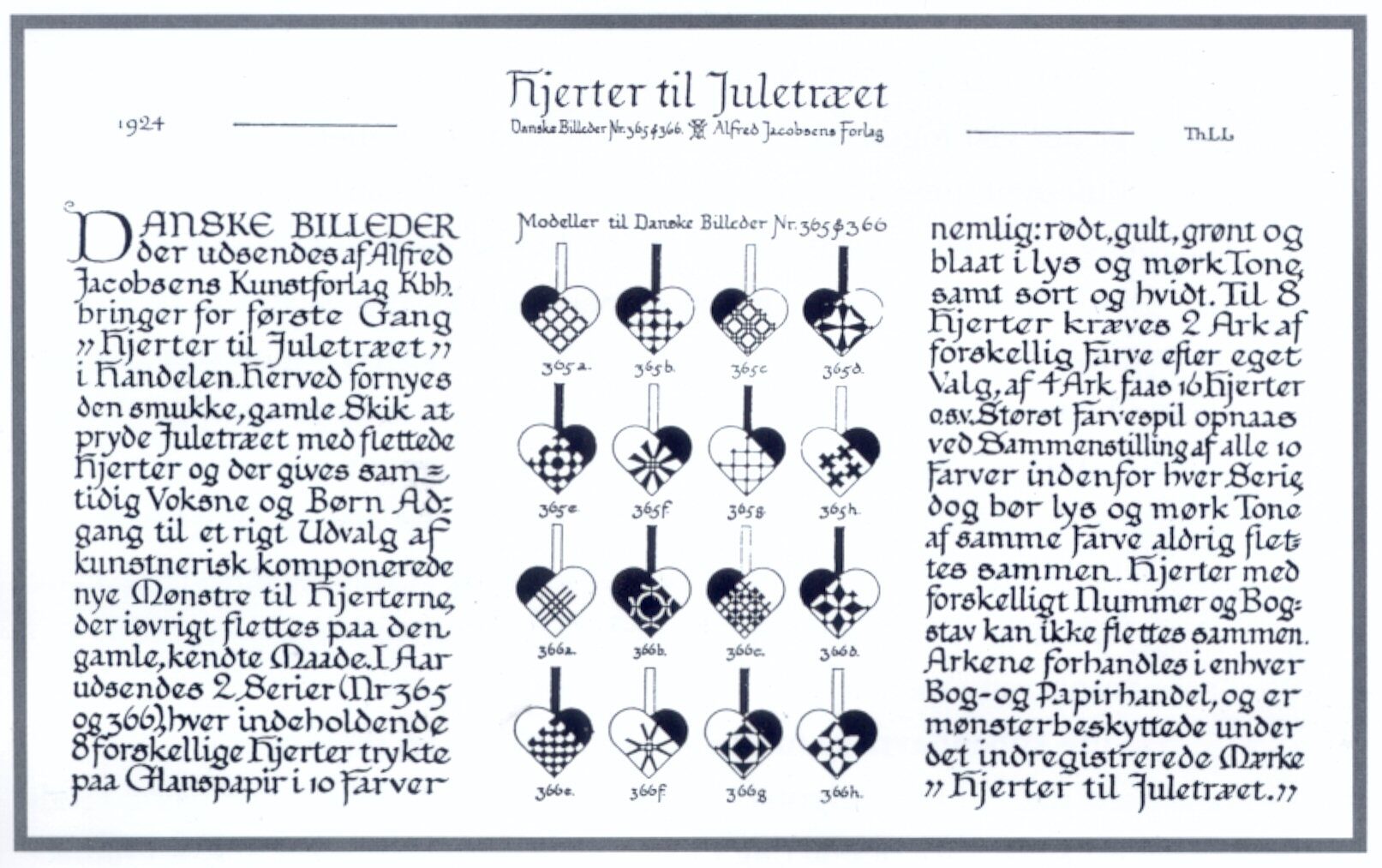
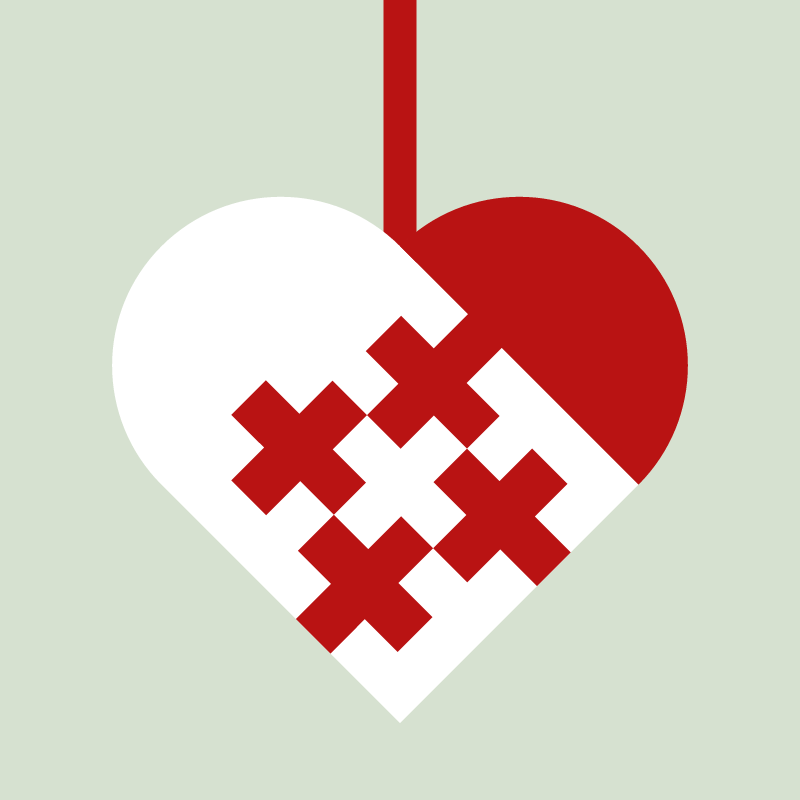
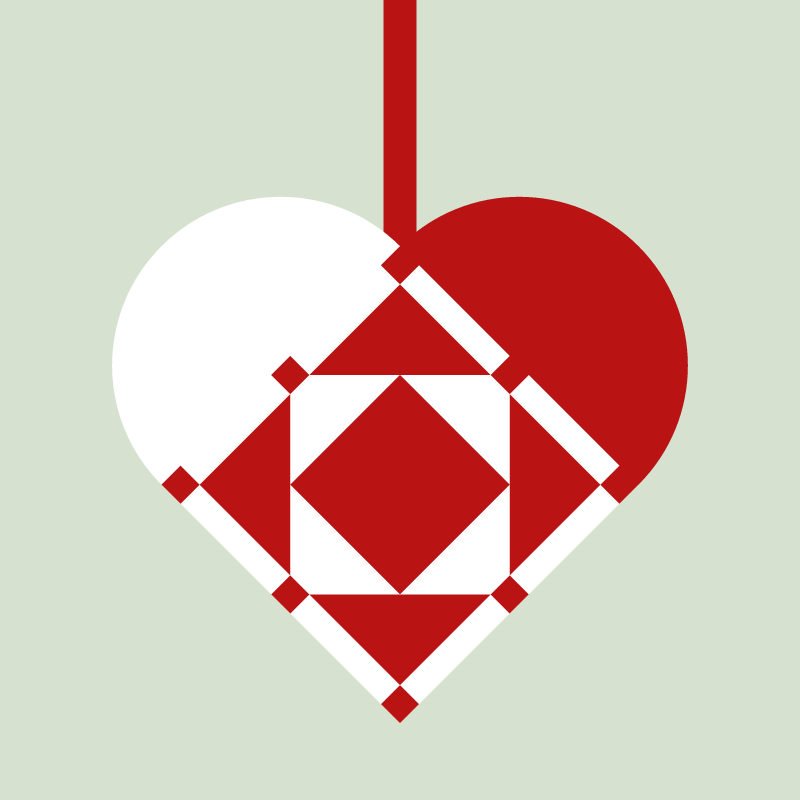
In 1924 Alfred Jacobsens Kunstforlag in Copenhagen sold “Hjerter til Juletræet” (hearts for the Christmas tree): two series of eight hearts each, printed on glossy paper in ten colours, so that you bought two sheets of different colours and cut the hearts out. According to the sheet, this was the first time such hearts were sold, yet it already calls the custom an old one. The designer signed only ThLL. Four of the gallery's hearts already had the same patterns, and The clock is a variant of no. 366b; we drew Cross in a frame and Square in a square after the sheet.
Our versions

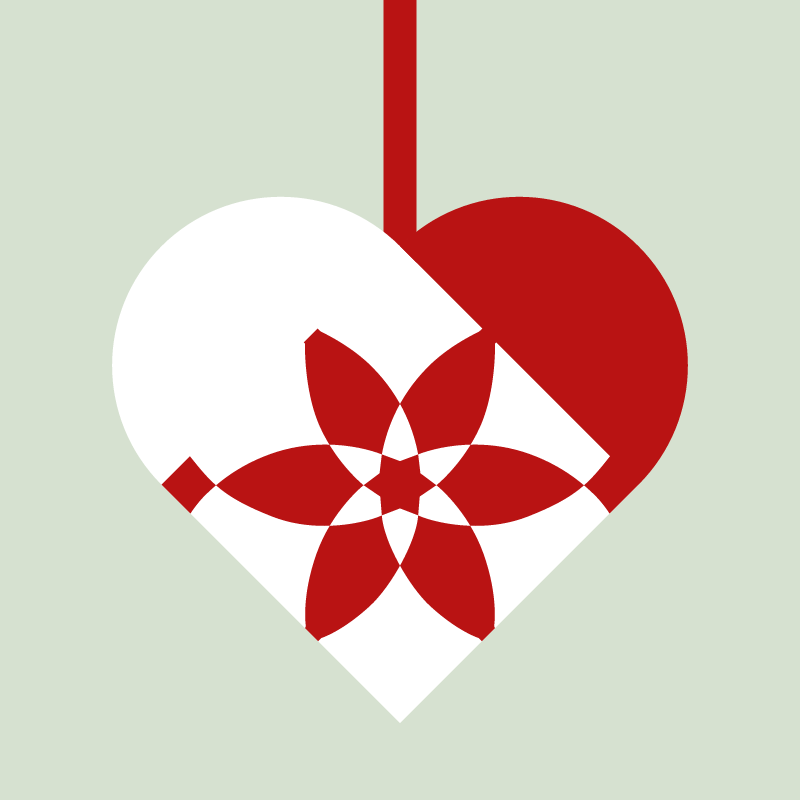
Julehjerter, 1975
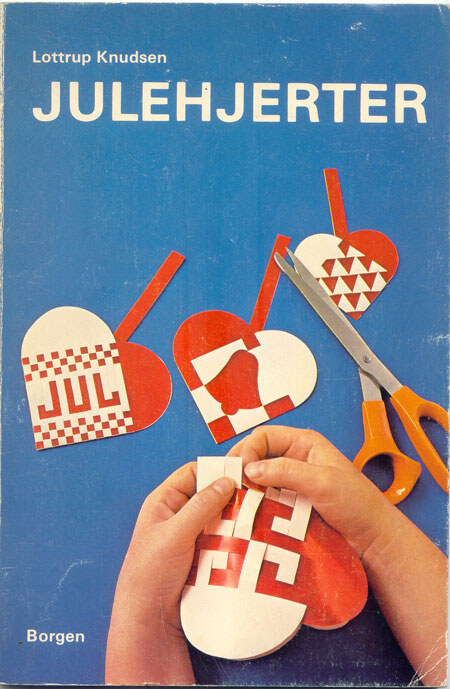
After 1924 many patterns appeared in weekly and women's magazines. In 1975 Jes Lottrup Knudsen gathered fourteen hearts with templates in the book Julehjerter (Christmas hearts), published by Borgen, and he and Bo Frydendahl later published more books; many of the gallery's patterns are in them. From 1997 Per V. Mortensen drew the patterns on permo.homepage.dk and wrote that most had appeared in women's magazines 25–35 years earlier.
Hearts from Per V. Mortensen's site
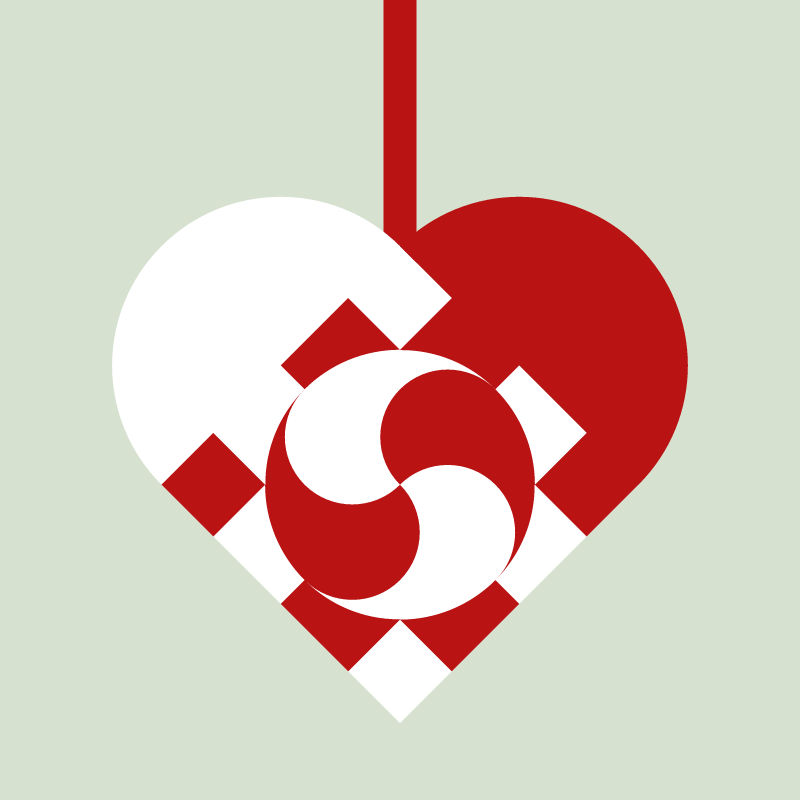
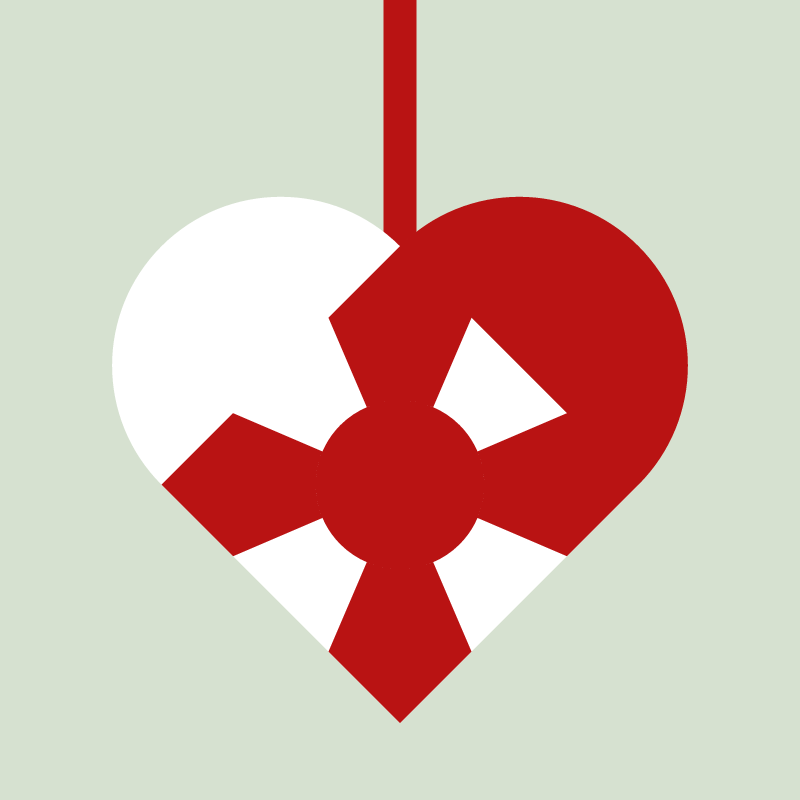
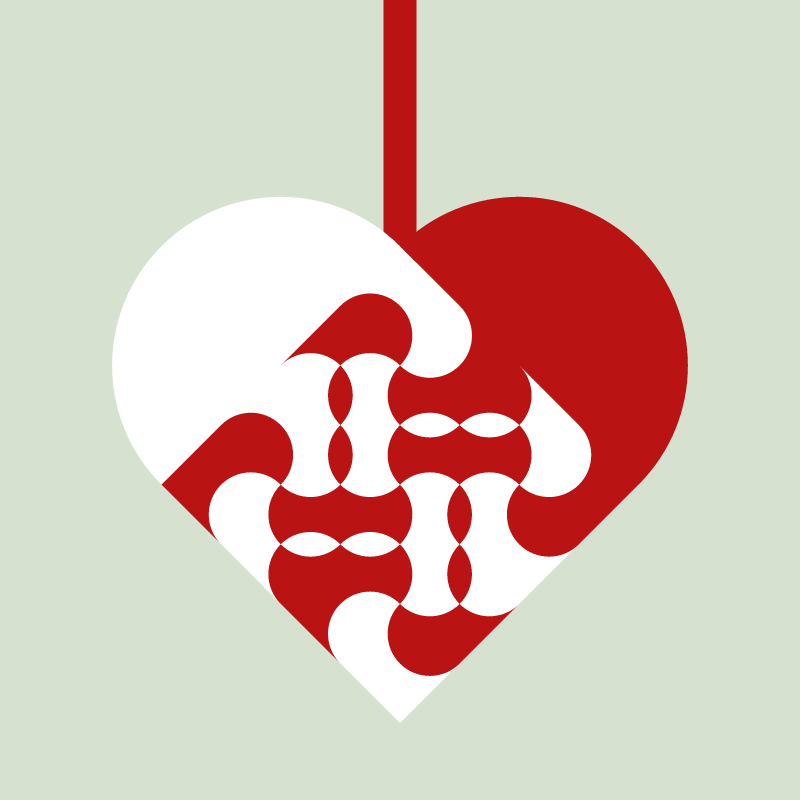

Papermatrix, today
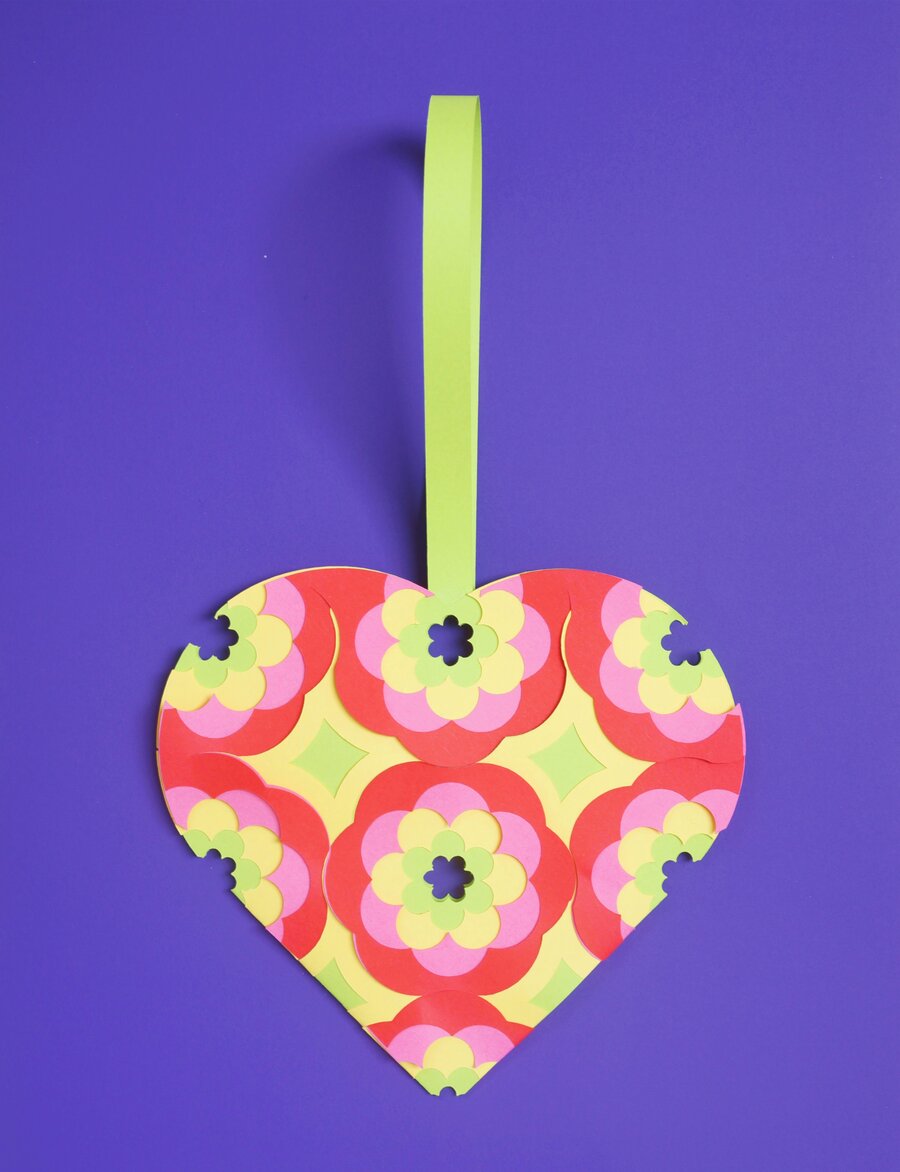
Since 2010 Lene and Anna Schepper in Copenhagen have shown new ways of weaving paper on the blog Papermatrix: hearts in many colours, woven from several layers of paper, and also cones and joined hearts, all with templates. The heart here, their no. 43 from 2013, is cut from four sheets, which are laid together two and two and woven as one heart. Their book The Art of Paper Weaving came out in 2015.